The answer can significantly affect operating costs, downtime, and long-term productivity. Whether you’re running pumps, fans, compressors, conveyors, or manufacturing machinery, selecting a low-maintenance motor can save both time and money.
In most industrial applications, AC motors generally require less maintenance than DC motors because they have fewer wearable components and a simpler design. However, the right choice still depends on your operating conditions, performance requirements, and budget.
In this guide, we’ll compare AC and DC motors from a maintenance perspective and explain which motor is best suited for long-term reliability.
Why Motor Maintenance Matters
Motor maintenance directly impacts:
✅ Equipment uptime
✅ Energy efficiency
✅ Production continuity
✅ Repair costs
✅ Overall equipment lifespan
Even a highly efficient motor can become expensive if it requires frequent servicing or replacement parts.
For industrial facilities, reducing maintenance is often just as important as improving efficiency.
Energy-efficient motors can significantly reduce electricity consumption over the equipment
lifecycle.Motor Systems | Department of Energy
Understanding AC Motors
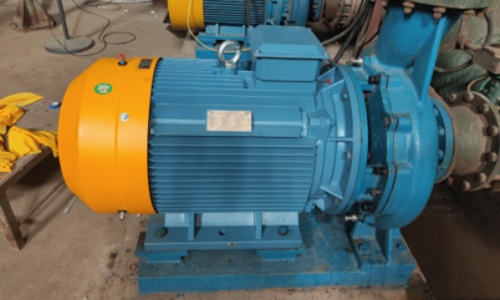
An AC motor (Alternating Current Motor) converts electrical energy from an AC power supply into mechanical motion.
Common Types of AC Motors
- Three Phase Induction Motor
- Single Phase Motor
- Synchronous Motor
- Permanent Magnet Synchronous Motor (PMSM)
Key Characteristics
| Feature | AC Motor |
|---|---|
| Brushes | No |
| Commutator | No |
| Maintenance Frequency | Low |
| Reliability | High |
| Industrial Use | Very Common |
The absence of brushes and commutators is one of the biggest reasons AC motors require less maintenance.
Understanding DC Motors
A DC motor (Direct Current Motor) uses direct current electricity to produce rotation.
Common Types of DC Motors
- Brushed DC Motor
- Brushless DC Motor (BLDC)
- Permanent Magnet DC Motor
- Series DC Motor
Key Characteristics
| Feature | DC Motor |
|---|---|
| Brushes | Usually Yes |
| Commutator | Yes (Brushed Models) |
| Maintenance Frequency | Medium to High |
| Speed Control | Excellent |
| Wear Components | More |
Traditional DC motors contain brushes and commutators that gradually wear out during operation.
These parts require regular inspection and replacement, increasing maintenance costs over time.
AC Motor vs DC Motor Maintenance Comparison
1. Brush Wear
AC Motors
Most industrial AC motors operate without brushes.
This eliminates one of the most common maintenance issues found in electric motors.
DC Motors
Brushed DC motors rely on carbon brushes that create electrical contact with the commutator.
Over time, brushes wear down and must be replaced.
Winner: AC Motor
2. Commutator Maintenance
AC Motors
No commutator is required.
This means fewer moving electrical components and lower maintenance requirements.
DC Motors
The commutator experiences friction and electrical arcing.
Regular cleaning and inspection are necessary to prevent performance issues.
Winner: AC Motor
3. Bearing Maintenance
Both AC and DC motors use bearings.
Bearings eventually require lubrication or replacement regardless of motor type.
Typical Bearing Issues
- Misalignment
- Contamination
- Lubrication failure
- Excessive loads
Since both motor types share this maintenance requirement, neither has a significant advantage here.
Winner: Tie
4. Reliability in Harsh Environments
Industrial facilities often expose motors to:
- Dust
- Moisture
- Heat
- Chemicals
- Continuous operation
AC induction motors are known for operating reliably under harsh conditions with minimal intervention.
Their rugged design makes them ideal for heavy-duty applications.
Winner: AC Motor
5. Maintenance Costs
| Cost Factor | AC Motor | DC Motor |
|---|---|---|
| Brush Replacement | None | Required |
| Commutator Service | None | Required |
| Bearing Service | Moderate | Moderate |
| Downtime Risk | Low | Higher |
| Overall Cost | Lower | Higher |
Over a motor’s lifetime, AC motors typically generate lower maintenance expenses.
Winner: AC Motor
What About Brushless DC Motors?
Brushless DC motors (BLDC motors) have changed the comparison somewhat.
Since they eliminate brushes and commutators, their maintenance requirements are significantly reduced.
Benefits of BLDC Motors
- No brush replacement
- High efficiency
- Long service life
- Low mechanical wear
However, BLDC motors rely on electronic controllers that can introduce additional complexity and replacement costs.
For many industrial applications, a three-phase induction motor remains the simpler and more economical option.
Which Industrial Applications Benefit Most from Low-Maintenance Motors?
Industries seeking maximum reliability often choose AC induction motors.
Common Applications
Pumps
Water pumps often run continuously for long periods.
Low-maintenance AC motors reduce service interruptions.
Fans and Blowers
Ventilation systems require dependable operation and minimal downtime.
Compressors
Industrial compressors benefit from the durability of AC motors.
Conveyor Systems
Manufacturing lines require consistent performance with minimal maintenance stops.
HVAC Systems
Commercial and industrial HVAC equipment commonly uses AC motors because of their reliability and lower operating costs.
Factors That Affect Motor Maintenance
Regardless of motor type, maintenance needs can increase due to:
Improper Installation
Misalignment and incorrect mounting create additional stress on bearings.
Overloading
Running beyond rated capacity accelerates wear.
Poor Power Quality
Voltage fluctuations can damage windings and reduce motor life.
Environmental Conditions
Dust, moisture, and extreme temperatures increase maintenance requirements.
Lack of Preventive Maintenance
Routine inspections help identify problems before they become costly failures.
When Should You Choose a DC Motor?
Although AC motors generally require less maintenance, DC motors remain valuable in specific applications.
Choose a DC motor when you need:
- Precise speed control
- High starting torque
- Frequent speed adjustments
- Compact designs
Examples include:
- Electric vehicles
- Robotics
- Automated machinery
- Battery-powered equipment
In these applications, performance advantages may outweigh the additional maintenance requirements.
AC Motor Maintenance Tips
To maximize motor lifespan:
Inspect Bearings Regularly
Check for noise, vibration, and excessive heat.
Keep Motors Clean
Remove dust and debris from cooling surfaces.
Monitor Temperature
Overheating is one of the leading causes of motor failure.
Check Electrical Connections
Loose connections can increase resistance and energy losses.
Perform Vibration Analysis
Predictive maintenance helps identify issues before failure occurs.
Frequently Asked Questions
Do AC motors last longer than DC motors?
In many industrial applications, AC motors often achieve longer service life because they have fewer wear components.
Why are AC motors easier to maintain?
AC motors typically do not use brushes or commutators, eliminating common maintenance tasks associated with DC motors.
Are brushless DC motors maintenance-free?
No motor is completely maintenance-free. While BLDC motors eliminate brush wear, bearings and electronic controllers still require monitoring.
Which motor is best for industrial applications?
For most pumps, fans, compressors, and conveyor systems, three-phase AC induction motors offer the best combination of reliability, efficiency, and low maintenance.
Final Thoughts
So, which motor requires less maintenance?
For most industrial environments, the answer is clear:
AC motors require less maintenance than traditional DC motors.
Their brushless design, rugged construction, and proven reliability make them the preferred choice for countless industrial applications. While brushless DC motors have narrowed the gap, AC induction motors continue to deliver the lowest maintenance requirements and the best long-term operating value for many businesses.
If your priority is minimizing downtime, reducing service costs, and maximizing equipment reliability, an industrial AC motor is often the smartest investment.
For industrial AC motors, choose Hebei Zhongci Technology Co., Ltd. We are a high-tech enterprise integrating R&D, manufacturing and marketing.