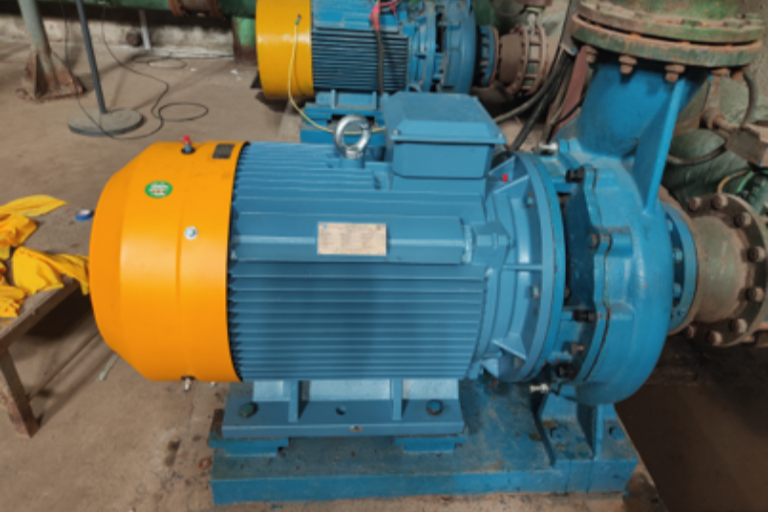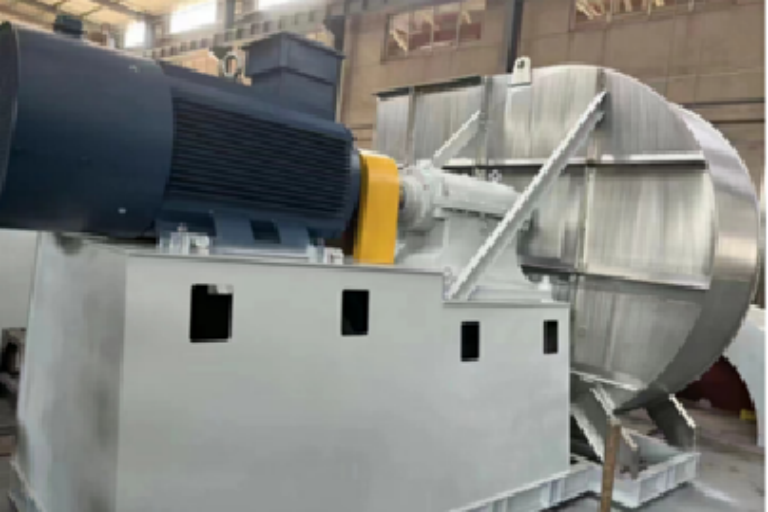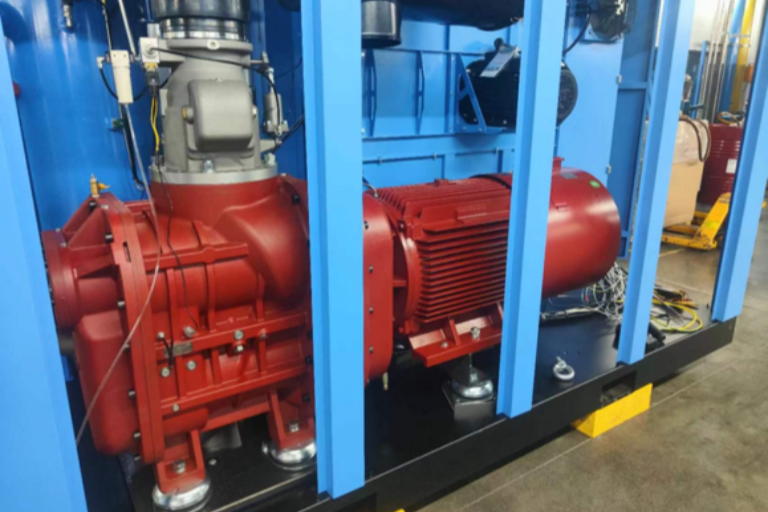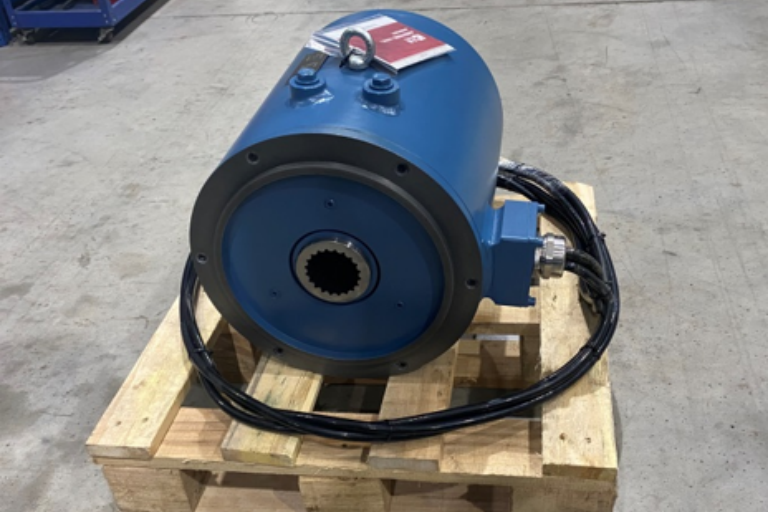
Water-Cooled Motors

Water-Cooled Motors

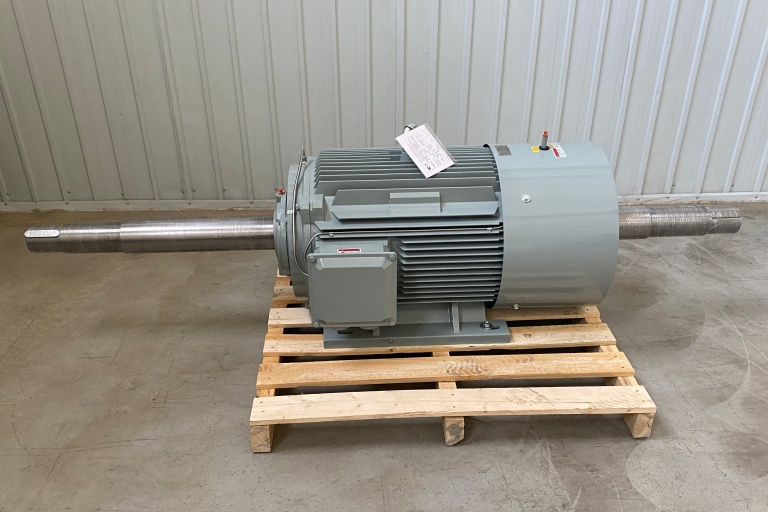
In today pursuit of the equipment compactness and the peak performance, traditional air cooling often falls short in dissipating heat from continuous, high power output. The water-cooled motors are innovated according this by integrating the liquid cooling circuit directly into the motor. This efficient system removes heat at the source, fundamentally overcoming the thermal limitations of the high-load operation. The result is the motor capable of delivering greater power within the smaller footprint, making it ideal for complex applications with space constraints, high ambient temperatures or stringent noise requirements.
Unmatched Thermal Management and Stability
The cooling liquid circulates directly around the motor housing and the stator core, providing exceptionally efficient heat transfer. This rapidly draws heat away from the interior, significantly lowering the winding temperature rise. This not only extends insulation life but also prevents performance degradation or demagnetization due to overheating, ensuring long-term torque stability.
Compact Design and High Power Density
By eliminating reliance on external airflow for cooling, the motor housing can be designed more compactly and the removal of external fans reduces operating noise. This streamlined design offers greater flexibility in overall equipment layout, enabling the integration of the more powerful driven unit within the confined space.

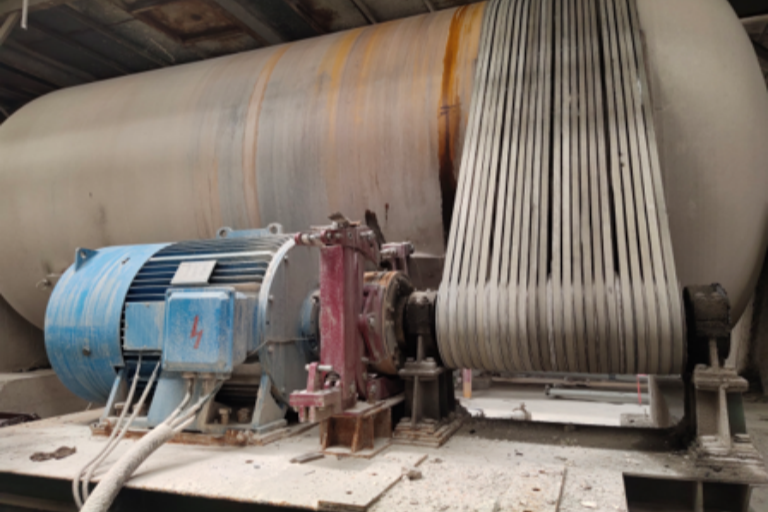
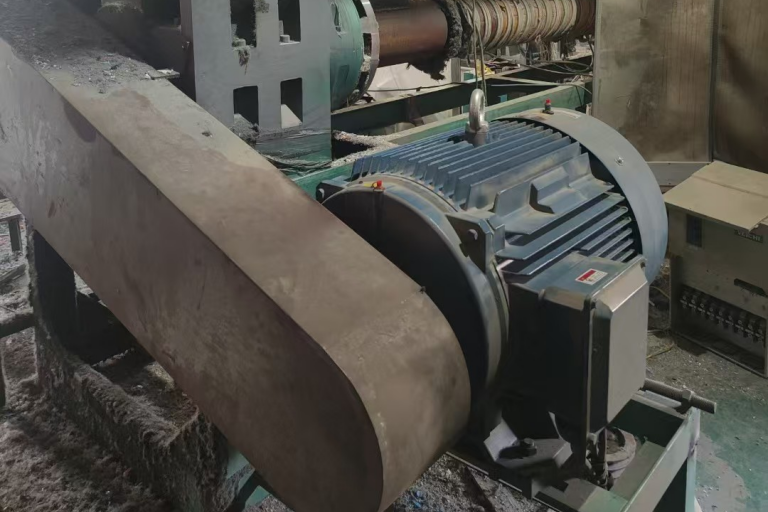
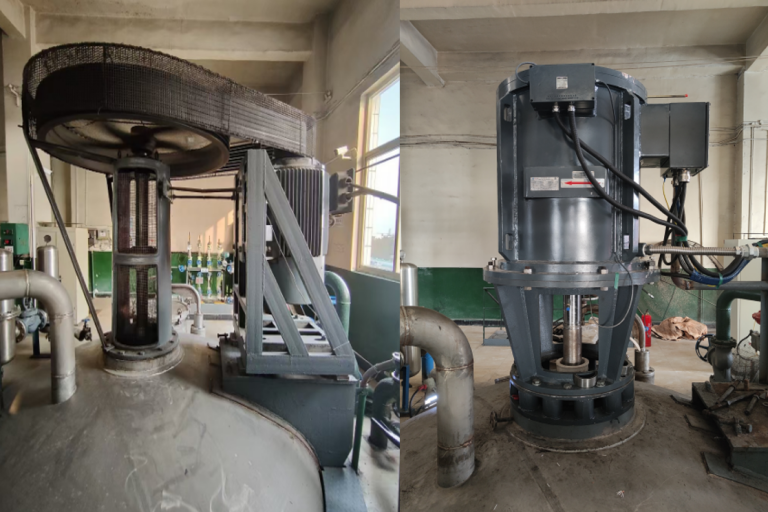
The Water-cooled motors utilize the integrated circulating cooling system that directly targets heat-generating components for highly efficient heat dissipation. This design significantly increases power density and operational stability, making it particularly suitable for the applications with restricted cooling conditions or high ambient temperatures. Capable of maintaining reliable output during long-term and heavy-duty operation, these motors are widely used in injection molding machines, die-casting equipment, large-scale fans and specialized electric driven systems.

Key Features

Utilizing an internal circulating coolant to dissipate heat directly from core components, water-cooled motors achieve exceptional thermal exchange efficiency and precise temperature control. This enables a significantly higher continuous power output per unit volume compared to traditional air-cooled motors. The absence of external fans results in quieter operation, while the compact overall design facilitates integration into space-constrained equipment. Performance remains highly reliable even in demanding environments, largely unaffected by external high temperatures or dusty conditions.
Stable, High-Load Operation
The precision-engineered liquid cooling system maintains low winding temperature rise, ensuring consistent, stable performance during prolonged operation at rated power or during short-term overloads.
Enables High Power Density Design
Efficient internal heat dissipation allows for a more compact motor design, delivering greater power within the same installation footprint and enabling equipment downsizing and performance upgrades.
Creates a Quieter Operational Environment
By eliminating cooling fans entirely, the primary source of aerodynamic noise is removed, significantly reducing overall equipment noise for a more comfortable workspace.
Resilient in High-Temperature & Dusty Conditions
Cooling performance relies on the sealed fluid circuit, making it largely independent of external hot air or dust accumulation. This offers a clear reliability advantage in harsh environments such as foundries or chemical plants.
Simplifies Integration and Maintenance
The compact, integrated design minimizes external cooling accessories, streamlining equipment layout. The closed-loop cooling system also reduces the frequency of maintenance required to clean contaminated heat exchangers.

Technical Specifications

Power Range:​ Covering a broad spectrum from medium-power models in the tens of kilowatts to high-power applications reaching several megawatts, offering proven solutions for diverse industrial drives.
Rated Voltage:​ Compatible with multiple standard industrial voltages such as 380V, 480V, and 690V. Higher voltage ratings are available upon request to suit various drive system requirements.
Efficiency Class:​ The series consistently meets the IE4 super-premium efficiency standard, with select models achieving IE5 classification. Exceptionally low internal losses minimize heat generation, complementing the water-cooling advantage.
Power Factor:​ Optimized electromagnetic design delivers a high power factor at rated load, reducing reactive power loss in lines and improving the overall efficiency of the power supply system.
Protection Class:​ Standard protection rating of IP54 provides effective defense against dust and water splashes. Higher protection levels for components like the terminal box are available based on application needs.

Successful Stories

Motor Selection Guide and FAQ

Motor Selection Guide
1. Define Basic Parameters
Power & Speed:​ 
Determine the required rated power based on load characteristics and define the motor pole count and speed range according to your equipment’s operational speed.
Voltage & Frequency:​
Confirm your power supply standard (e.g., 380V/50Hz, 480V/60Hz). Custom designs are available for special voltage requirements.
Mounting Type:​
Specify IEC standard mounting (e.g., B3, B5, B14). Custom the flanges & bases are also supported.
2. Consider Operating Environment
Protection Rating (IP):​
IP55 for standard environments. IP65 is recommended for damp or dusty conditions. Hazardous areas require Ex D/Ex E certifications.
Insulation Class:​
Class F (155°C) for general use. Class H (180°C) insulation is advised for high-temperature environments.
Cooling Method:​
Self-ventilated (IC411) for standard applications. Forced air or water cooling is available for enclosed spaces or high-power-density scenarios.
3. Match Load Characteristics
Starting Torque:​
Consider starting torque for fan/pump loads. Verify locked-rotor torque for conveying equipment.
Duty Cycle:​
Standard motors are suitable for continuous operation (S1). Frequent start-stop cycles (S5) require reinforced bearings and insulation.
Efficiency Requirement:​
Select IE3/IE4/IE5 efficiency classes based on annual operating hours. Ultra-premium efficiency (IE5) motors offer the lowest total cost of ownership for long-running applications.
Get Your Custom Solution & Fast Quote. Our Engineers Are Ready to Help.
Contact Us for the Precise Solution
Provide your equipment parameters, load profile, environmental conditions, and application details.
Receive the complimentary motor selection calculation, the energy efficiency analysis report, and the 3D model.
We support sample testing and operational simulation for validation.

Scroll to Top