- 1.Introduction to Electric Motors
- 2.How Does an Electric Motor Work?
- 3.Main Types of Electric Motors
- 4.Industrial Applications of Electric Motors
- 5.How to Choose the Right Motor
- 6.Future Trends in Motor Technology
- 7.Conclusion
Meta Description
Learn about industrial electric motors, AC motors, and vibration motors including working principles, applications, advantages, and how to choose the right motor for industrial equipment.
Industrial Electric Motors: Complete Guide to AC Motors and Vibration Motors
1.Introduction to Electric Motors
Industrial electric motors are widely used in manufacturing, mining, construction, and automation industries. AC motors and vibration motors help improve production efficiency, reduce energy consumption, and provide reliable power for industrial equipment. Choosing the right electric motor is important for achieving stable performance and long service life in industrial applications.
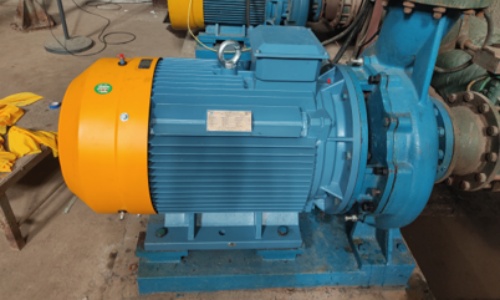
Electric motors are essential power devices widely used in industrial machinery, manufacturing equipment, water pumps, fans, conveyors, mining systems, and automation industries. They convert electrical energy into mechanical energy, helping industries improve efficiency and productivity
.
2.How Does an Electric Motor Work?
An electric motor operates based on electromagnetic induction. When electricity flows through the stator winding, a magnetic field is generated. This magnetic field interacts with the rotor and creates rotational force.
Key Components
- Stator
- Rotor
- Bearings
- Shaft
- Cooling Fan
- Terminal Box
Working Principle
The magnetic field generated by the stator causes the rotor to rotate continuously, producing mechanical power for industrial equipment.
3.Main Types of Electric Motors
AC Motors
AC motors are commonly used in industrial applications because of their reliability and low maintenance cost.
Advantages
- High efficiency
- Stable operation
- Long service life
DC Motors
DC motors provide accurate speed control and are suitable for automation systems.
Vibration Motors
Vibration motors are mainly used in vibrating screens, feeders, mining equipment, and construction machinery.
Features
- Strong vibration force
- Compact structure
- Low energy consumption
4.Industrial Applications of Electric Motors
Manufacturing Industry
Electric motors power conveyor systems, compressors, and production equipment.
Mining Industry
Heavy-duty motors are used in crushers, vibrating screens, and belt conveyors.
Agriculture
Motors are widely applied in irrigation pumps and grain processing machines.
Construction Equipment
Vibration motors help improve material transportation efficiency.
5.How to Choose the Right Motor
Power Requirements
Choose the correct power rating according to equipment load.
Voltage and Frequency
Different countries use different voltage standards such as 220V, 380V, or 690V.
Protection Grade
IP55 and IP66 motors are suitable for dusty and humid environments.
Energy Efficiency
High-efficiency motors reduce electricity costs and improve performance.
6.Future Trends in Motor Technology
Energy Saving Motors
IE3 and IE4 motors are becoming increasingly popular.
Smart Motors
Modern motors integrate intelligent monitoring systems for predictive maintenance.
Environmentally Friendly Solutions
Low-noise and high-efficiency motors are key trends in global industries.
7.Conclusion
Electric motors play a critical role in modern industrial systems. Choosing high-quality AC motors, DC motors, or vibration motors can significantly improve production efficiency and equipment reliability. As industries continue to automate, the demand for energy-efficient and intelligent motors will continue to grow.
Why Choose US,Why Choose Us – Hebei Zhongci Technology Co., Ltd.Our facility spans over 15,000 square meters and has five automated lines with the annual capacity more than 8,000 units. A skilled workforce of over 100 employees supports our operations, with R&D and technical personnel accounting for more than 20% of our team, structured around senior technical talent, including 1 Senior Engineer, 2 Intermediate Engineers, 3 Assistant Engineers, and 1 Senior Technician. We consistently invest over 5% of annual revenue in the research and development. Through closely collaboration with leading institutions such as Xi’an Jiaotong University, Shenyang University of Technology and Shanghai Electrical Apparatus Research Institute, we employ advanced physical field simulation and full lifecycle testing to continuously improve product efficiency, noise vibration harshness (NVH) and reliability.