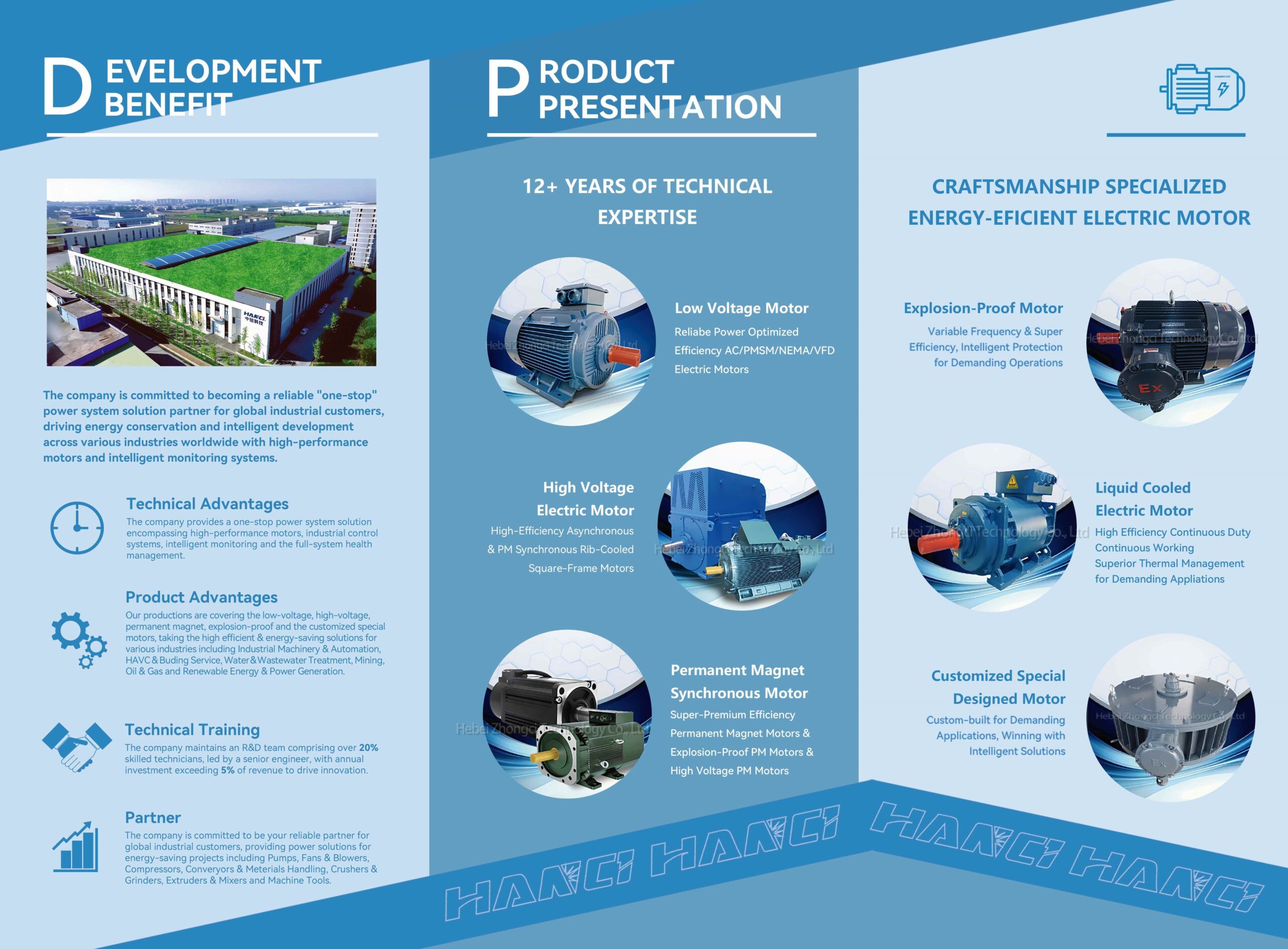
Electric motors are at the heart of modern industrial operations. From pumps and compressors to conveyors and manufacturing equipment, choosing the right motor directly impacts efficiency, reliability, and operating costs.
However, selecting the best electric motor is not always straightforward. Different applications require different motor types, power ratings, speeds, and torque characteristics. Understanding the differences between AC motors, 3 phase induction motors, and gear motors can help engineers, equipment manufacturers, and purchasing managers make informed decisions.
This guide explains the most common industrial motor types and the key factors to consider before making a purchase.
What Is an Electric Motor?
An electric motor is a device that converts electrical energy into mechanical energy. It generates rotational force that powers machines and equipment across various industries.
Industrial electric motors are commonly used in:
- Water pumps
- Air compressors
- Conveyor systems
- Fans and blowers
- Agricultural machinery
- Manufacturing equipment
- Packaging machines
Electric motors are valued for their high efficiency, long service life, and low maintenance requirements.
Main Types of Electric Motors
There are several motor categories available on the market, but the most widely used industrial options include AC motors, 3 phase induction motors, and gear motors.
AC Motor
An AC motor operates using alternating current and is one of the most commonly used motor types worldwide.
Advantages include:
- Simple structure
- Low maintenance costs
- High reliability
- Long operating life
- Cost-effective operation
AC motors are commonly installed in:
- Industrial fans
- Water pumps
- HVAC systems
- Compressors
- Production equipment
For most industrial applications, AC motors provide an excellent balance between performance and cost.
3 Phase Induction Motor
A 3 phase induction motor is the most widely used industrial motor due to its efficiency and durability.
Key benefits include:
- High starting torque
- Stable operation
- Excellent efficiency
- Reduced energy consumption
- Low maintenance requirements
Typical applications:
- Conveyor systems
- Mining equipment
- Industrial pumps
- Crushers
- Agricultural machinery
- Manufacturing lines
Because of their rugged design, 3 phase induction motors are often the preferred choice for continuous-duty industrial environments.
Gear Motor
A gear motor combines an electric motor with a gearbox to reduce speed and increase output torque.
Advantages:
- High torque output
- Precise speed control
- Compact design
- Reduced system complexity
- Improved transmission efficiency
Common applications include:
- Material handling systems
- Packaging machines
- Food processing equipment
- Automated production lines
- Robotics systems
When equipment requires lower speeds and higher torque, a gear motor is often the ideal solution.
AC Motor vs 3 Phase Induction Motor vs Gear Motor
| Feature | AC Motor | 3 Phase Induction Motor | Gear Motor |
|---|---|---|---|
| Efficiency | High | Very High | High |
| Torque Output | Moderate | High | Very High |
| Maintenance | Low | Very Low | Low |
| Speed Control | Standard | Standard | Excellent |
| Initial Cost | Low | Moderate | Higher |
| Common Applications | Pumps, Fans | Industrial Machinery | Conveyors, Packaging |
Each motor type offers unique advantages depending on the operating requirements.
Key Factors to Consider When Choosing a Motor
Power Rating
The motor must provide sufficient power for the intended load. Undersized motors may overheat, while oversized motors can increase energy costs.
Operating Environment
Environmental conditions significantly affect motor performance.
Consider:
- Ambient temperature
- Humidity levels
- Dust exposure
- Corrosive environments
- Outdoor installation requirements
For harsh environments, selecting the correct protection rating is essential.
Voltage and Frequency
Industrial motors are available in multiple voltage configurations, including:
- 220V
- 380V
- 400V
- 415V
- 460V
Common frequencies include:
- 50Hz
- 60Hz
Matching the motor to the local power supply is critical.
Efficiency Standards
Energy-efficient motors reduce operating costs and support sustainability goals.
Common efficiency classes include:
- IE2 Standard Efficiency
- IE3 Premium Efficiency
- IE4 Super Premium Efficiency
Motor efficiency classifications such as IE2, IE3, and IE4 are defined by the International Electrotechnical Commission (IEC).IEC homepage
Many industrial buyers now prioritize IE3 and IE4 motors to reduce long-term electricity consumption.
Speed and Torque Requirements
Applications requiring high torque at low speeds often benefit from gear motors.
High-speed applications may perform better with standard AC motors or induction motors.
Common Industrial Applications
Pumps
3 phase induction motors are frequently used for industrial water pumps because of their reliability and energy efficiency.
Fans and Blowers
AC motors offer stable performance and low operating costs for ventilation systems.
Conveyor Systems
Gear motors provide precise speed control and high torque for material handling applications.
Manufacturing Equipment
Industrial production lines often utilize induction motors to support continuous operation.
How to Improve Electric Motor Efficiency
Improving motor efficiency can significantly reduce operating expenses.
Best practices include:
- Selecting the correct motor size
- Using premium-efficiency motors
- Performing regular maintenance
- Monitoring operating temperature
- Maintaining proper alignment
- Installing variable frequency drives (VFDs)
These measures help extend motor lifespan while reducing energy consumption.
Frequently Asked Questions
What is the difference between an AC motor and a 3 phase induction motor?
A 3 phase induction motor is a type of AC motor specifically designed for three-phase power systems and industrial applications.
Which motor is best for industrial equipment?
For most industrial machinery, a 3 phase induction motor provides the best combination of efficiency, durability, and reliability.
Why choose a gear motor?
Gear motors are ideal when applications require high torque and lower output speeds.
How long does an industrial electric motor last?
With proper maintenance, industrial electric motors can operate reliably for 15 to 20 years or longer.
Conclusion
Selecting the right electric motor requires careful evaluation of power requirements, operating conditions, efficiency goals, and application needs. Whether you need a standard AC motor, a durable 3 phase induction motor, or a high-torque gear motor, choosing the appropriate solution can improve productivity while reducing long-term operating costs.
Working with an experienced electric motor manufacturer can help ensure that your equipment receives the most suitable motor for optimal performance and reliability.
Need Help Choosing the Right Electric Motor?
Selecting the right electric motor can significantly improve equipment performance, reliability, and energy efficiency.
At Hebei Zhongci Technology Co., Ltd.Motor, we specialize in AC motors, 3 phase induction motors, gear motors, and customized motor solutions for industrial applications worldwide.
Whether you need technical support, OEM manufacturing, or a competitive quotation, our team is ready to help.
👉 Contact us today to discuss your motor requirements and receive expert recommendations.Contact Us – Hebei Zhongci Technology Co., Ltd.